
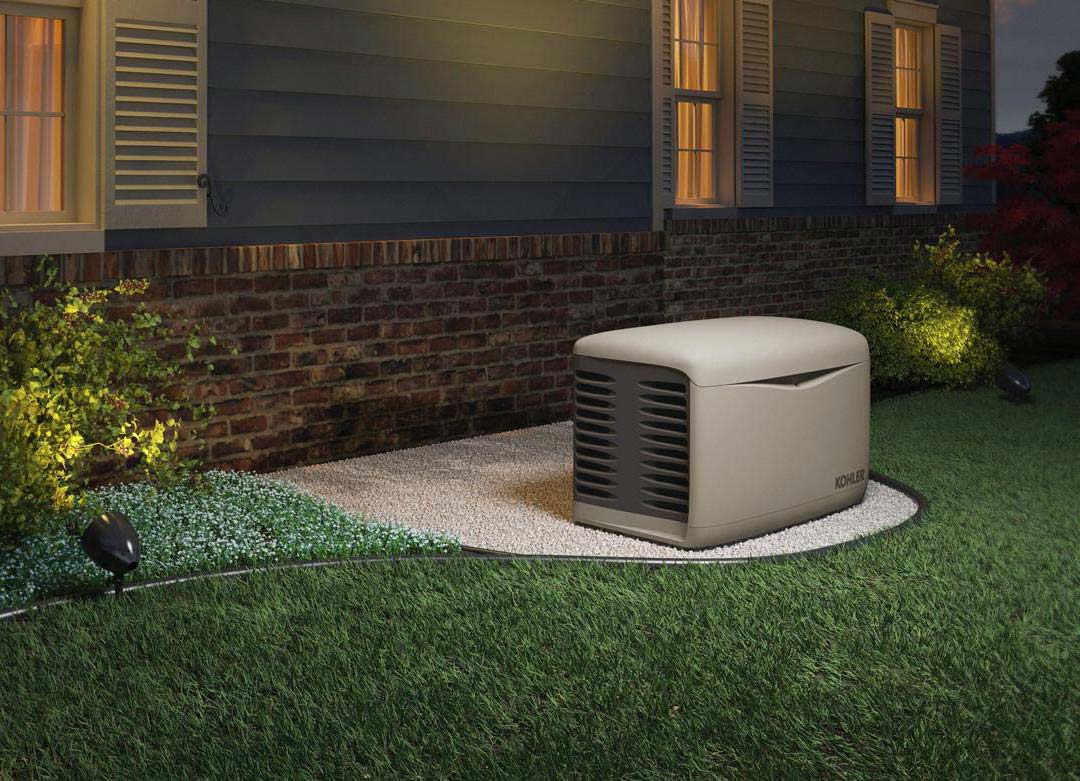
Kansas City Storm Season: Is Your Home Ready for a Power Outage?
Spring thunderstorms roll in fast over the Kansas City area. Summer brings severe heat and lightning strikes. Fall features wind events that down tree branches. Winter ice storms can paralyze the region for days. If you've lived here for more than a few years, you know power outages aren't hypothetical they're a regular part of life.
Kansas City's Storm Season Reality
The Kansas City metro sits in the heart of Tornado Alley and faces some of the most volatile weather in the United States. The 2024–2026 period has seen multiple severe weather events causing widespread outages across the region. In May 2026, severe thunderstorms left thousands without power. Similar events are routine.
Spring (Apr–Jun)
Peak severe thunderstorm and tornado season. Derechos and hail storms frequently damage power infrastructure.
Summer (Jul–Aug)
When temps hit 100°F+ and power goes out, the stakes escalate immediately. Heat-related illness becomes a real risk.
Fall (Sep–Oct)
Wind events frequently down tree branches. Autumn outages often last longer because trees have leaves and branches interfering with cleanup.
Winter (Dec–Feb)
Ice storms cause the longest, most widespread failures. The 2007 ice storm left many KC residents without power for over a week.
"Weather-related outages now account for over 83% of all power disruptions nationally with tornado season and ice storms being the primary culprits in the Midwest."
U.S. Energy Information Administration
The average outage duration in Kansas City during severe weather events ranges from 6–24 hours for localized events. Major regional ice storms or derechos can leave substantial portions of the metro without power for 48 hours or longer.
Real Kansas City Outage Scenarios
Summer Scenario July Heat Wave
A derecho knocks out power to 50,000 homes. It's 98°F outside. Within 2–3 hours your home exceeds 85°F. Your elderly visitor with a heart condition is at risk. Your refrigerator food is spoiling. With a whole-home generator, none of that happens.
Spring Scenario Evening Thunderstorm
A severe storm system hits at 7 PM in April. Schools close the next day, and you're working from home. Your generator keeps your internet, modem, and home office running. You work a normal day instead of losing income.
Winter Scenario January Ice Storm
Power is out and temperatures drop to 20°F. With a natural gas generator, your home heating keeps running. Your family stays warm overnight while line workers make repairs instead of booking a hotel in dangerous cold.
Critical Systems That Fail Without Power
Heating
Gas furnaces need electric blowers. No power = no heat circulation even with gas available.
Cooling
Central AC requires electricity. Summer outages without backup create heat illness risk.
Well Pumps
Rural and some suburban KC families lose water immediately without backup power.
Medical Equipment
Oxygen concentrators, CPAP machines, and other devices need reliable power.
Sump Pumps
Spring storms bring flooding risk. No power = flooded basement during the worst possible season.
Refrigeration
Extended outages spoil food. Generators protect your food supply and prevent waste.
Natural Gas Advantage in Kansas City
Most Kansas City homes have natural gas service. Natural gas generators are the optimal choice for our region:
- Fuel is always available no need to store propane or diesel
- Natural gas lines rarely fail during weather (unlike above-ground power lines)
- Unlimited runtime during outages no fuel supply limitations
- Lower maintenance than propane systems
- No fuel degradation over time
Storm Preparedness Beyond Generators
Before Storm Season
- Service your generator annually
- Trim tree branches near the roof
- Test monthly with 20-min load runs
- Verify battery is fresh and charged
- Stock emergency supplies
During Outages
- Keep refrigerator closed (stays cold 24+ hrs)
- Use battery lanterns, not candles
- Check on elderly neighbors
- Boil water if treatment plants lose power
After Outages
- Document damage for insurance
- Inspect generator after extended runs
- Replenish emergency supplies
Cost of Preparedness vs. Cost of Outages
Whole-home generator (installed)
One-time investment, 20–25 year lifespan
5-day ice storm (hotel + food + repairs)
Per single event
Heat-related illness medical bills
From a single summer outage
Basement flooding remediation
If sump pump loses power during spring storms
Is Kansas City Ready for Storm Season?
The honest answer: most Kansas City homes are not adequately prepared. Relying on grid power alone means accepting that when outages happen, you're vulnerable. A whole-home generator changes that equation storm season becomes manageable instead of stressful.
Don't wait until the first storm warning of spring.
Contact GridGuard now to assess your home's power needs, get a sizing and cost estimate, and schedule installation before peak season. When severe weather rolls through, your family will be ready.