
Your First Generator: A First-Time Homebuyer's Complete Guide
Buying your first home means new responsibilities, and one of the smartest investments you can make is backup power protection. But if you're new to generators, the options can feel overwhelming. Do you need portable or standby? How much power is enough? What will it actually cost? Let's break it down.
Portable vs. Standby: Which is Right for You?
The biggest decision is generator type. Portable generators are affordable, flexible, and take hours to set up when needed. They range from $500 to $2,500 and can power select appliances during an outage. Perfect for renters or first-time owners who want to test the waters.
Standby generators are hardwired to your home's electrical system and start automatically when power fails. They cost $500 to $21,000 for the unit alone, with installation running $5,160 on average according to HomeAdvisor, but they work without any intervention. If you plan to stay in your home for years and want complete protection, standby is the long-term play.
For first-time homebuyers, the choice depends on your situation. Renting or unsure about staying? Portable wins. Own your home and want peace of mind? Standby is worth the investment.
Right-Sizing Your Generator
This is where most first-timers stumble. You need enough power to run essential items, but not so much that you're overpaying.
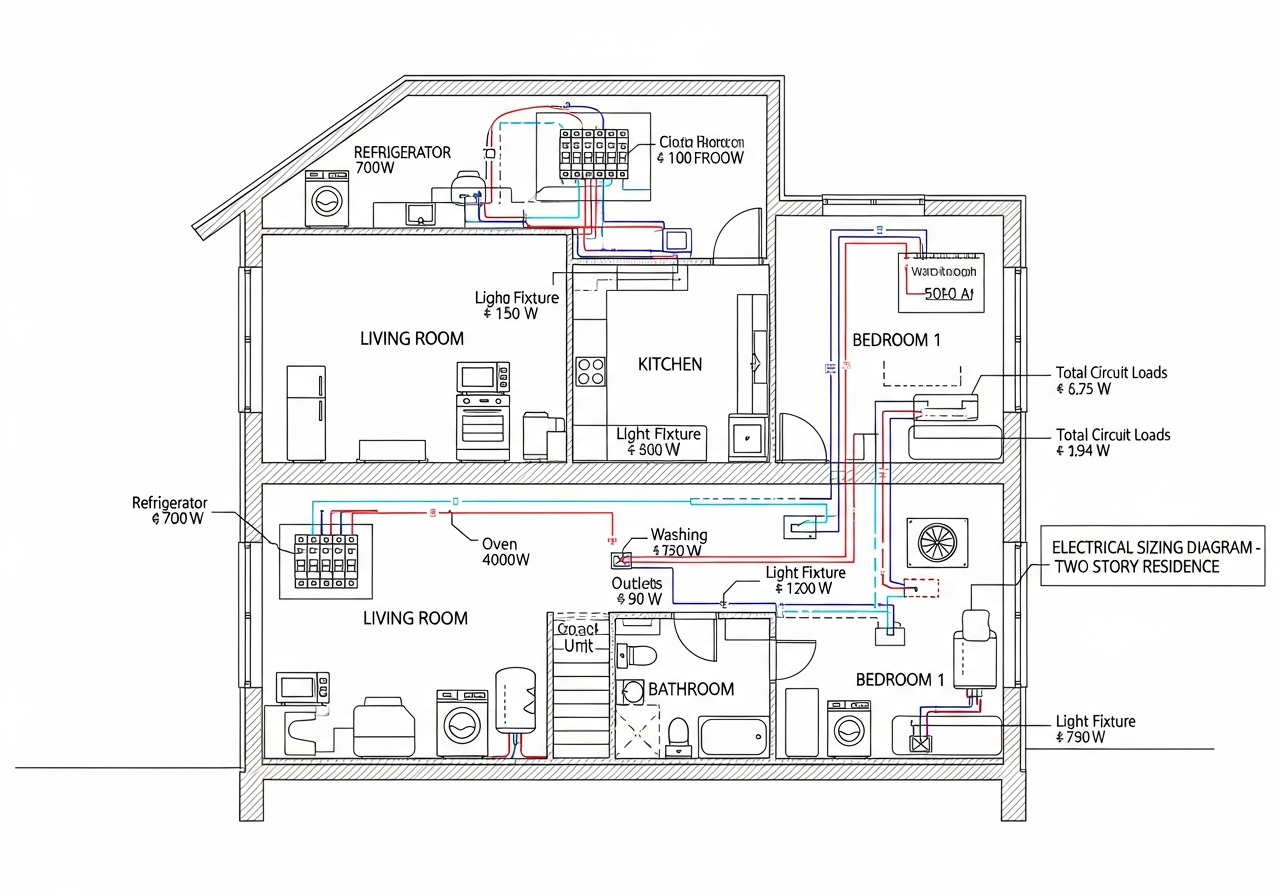
Start by listing what you want to power during an outage. A refrigerator uses 1,000 to 1,500 watts. Central air conditioning demands 3,000 to 4,000 watts. A microwave pulls 1,000 watts. Add them up, then increase that total by 10 to 20 percent as a buffer.
For whole-home power, you'll need at least 10,000 watts (10kW). Most homes operate effectively with 10 to 20kW systems. The key is avoiding the trap of running your generator at full capacity all the time.
The Real Cost Breakdown
Installation isn't just one line item. According to HomeAdvisor, the $5,160 average covers labor ($1,500 to $5,000), a concrete pad (roughly $1,000), permits ($50 to $200), and potentially electrical panel upgrades ($500 to $2,000). Get a free estimate we will come on site and show you exactly exactly what the final all in once price would be based on your home and custom needs.
Portable generators are cheaper upfront but require ongoing maintenance and fuel purchases during outages. Standby units connected to your natural gas line have unlimited runtime.
Safety Essentials Every New Owner Must Know
Never operate a gas-powered generator indoors or in enclosed spaces. Keep it at least 20 feet from your home to prevent carbon monoxide buildup. Always install a transfer switch, which safely redirects power during an outage and prevents backfeeding electricity into utility lines.
If you choose portable, invest in a carbon monoxide detector as backup protection.
Taking the Next Step
Start by calculating your power needs. Then decide if portable flexibility or standby automation fits your situation better. For first-time homeowners planning to stay put, a standby generator adds real value to your property and genuine peace of mind during storms.
The investment pays for itself in security, convenience, and the knowledge that your family and home are protected when the grid fails.
Need help choosing your first generator?
GridGuard can help you understand your home's power needs and find the right KOHLER® backup system.